
Let's show our teacher's how much we value their service...

Silverdale Community Day was established October of 2021 and has been a community success ever since. This year's Commmunity day will be Saturday, Septmeber 21, 2024, raindate, Saturday, September 28, 2024.
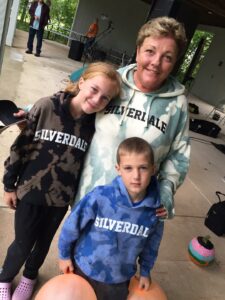
FIRST ANNUAL COMMUNITY DAY
OCTOBER 2021
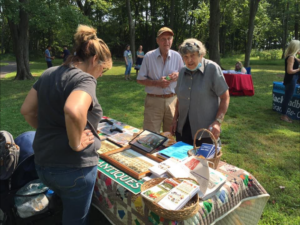

2ND ANNUAL COMMUNITY DAY
SEPTEMBER 2022
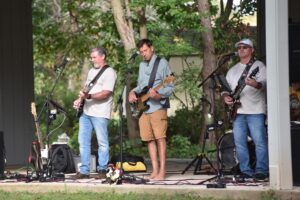


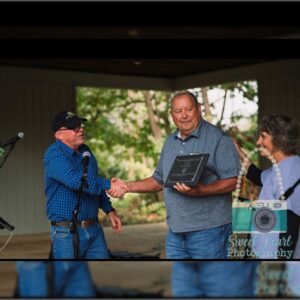
3rd ANNUAL COMMUNITY DAY
September 2023


- Community and Economic Planning Committee, Tuesday, April 16, 2024 @6:30PM
- Silverdale Borough Council agendas are available on our website at www.silverdalepa.org , posted on office door, and at the meeting.If you wish to be on the agenda, you must inform the borough office by the Wednesday before the Tuesday meeting. You must state what your topic is.E-Mail – Silverdale@silverdalepa.org Phone – 215-257-5550
- Council Meeting, Monday, April 15, 2024 CANCELED
Meetings are located in the Borough Hall 100 W. Park Ave. Silverdale, 18962
Please scroll down or click on our latest news to read about our State Representive Shelby lab joining us in the borough.
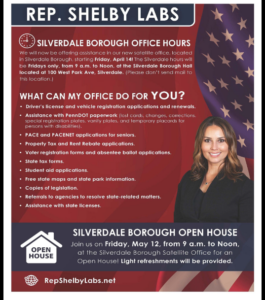
Labs_Satellite Office_4-23_v3 (2)
The Borough Office is open to the public.
Silverdale Borough utilizes the services of Hilltown Township police. Please find police information here https://hilltown.org/departments/police/
Information and Contact info for Silverdale Fire Volunteer Fire Company can be found at http://www.silverdalefd.org/
https://www.facebook.com/SilverdaleVolunteerFireCo/
If you are in a Crisis situation Call 1-800-499-7455 to speak to a trained crisis worker - Anytime - Day or Night
You may also call one of the numbers below:
Central & Upper Bucks
215-345-2273
Lower Bucks
215-785-9765
Adult and Children’s Mobile Crisis (provided through Lenape Valley): 1-877-435-7709
https://www.buckscounty.org/government/HumanServices/BHDP
For information on the Bucks County Area Agency on Aging go to: https://www.buckscounty.gov/231/Area-Agency-on-Aging-AAA
Welcome to The Borough of Silverdale, PA!
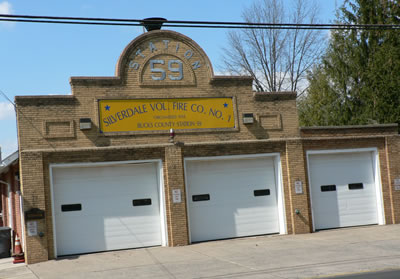
Thank you for visiting our website www.silverdalepa.org and welcome to Silverdale Borough, a community of families and friends located in Upper Bucks County. Silverdale Borough is primarily a residential community with access to great schools, multiple shopping facilities and many types of recreation activities.
Whether you are visiting or looking to make Silverdale your home or place of business, we hope you find our community a great place to be.
LATEST NEWS
3rd Annual Silverdale Community Day
PLEASE JOIN US FOR SILVERDALE’s 3rd Annual Community Day
Saturday, September 30, 2023 12-5PM
3rd Annual Silverdale Community Day
Saturday, September 30, 2023 Al Reese Park 12-5PM
Read MoreSilverdale Community Day, 3rd Annual
Final 8-21-23 poster with sponsors
Read MoreRepresentative Shelby Lab
Silverdale holiday sign (002) Represenative Shelby Labs The Silverdale Satelite office will be CLOSED Friday, September 1st For the Labor Day Holiday. We will return Friday, September 8th at 9am.
Read MoreSCHOOL REAL ESTATE COLLECTION DATES
Tuesday August 22, from 6:00 – 7:00 PM Wednesday, August 23 from 6:00 – 7:00 PM Thursday August 24 from 6:00 – 7:00 PM Monday , August 28 from 6:00 – 7:00 PM Tuesday, August 29th from 6:00 – 7:00 pm
Read MoreTRASH PICKUP
Trash will be picked up Thursday, June 1, 2023 following the Memorial Day Weekend.
Read MoreSTATE REP. Shelby Lab
https://www.repshelbylabs.net/Please click on link below to read… Labs_Satellite Office_4-23_v3 (2)
Read MoreA MESSAGE FROM DR. BOLTON
Dear Pennridge Community Dear Pennridge Community, School administrators in Bucks County are aware of an increase in “swatting” calls being made to 911 centers nationwide. Swatting is when an individual falsely and illegally says that there is an active shooter situation taking place in a location like a school. …
Read More